


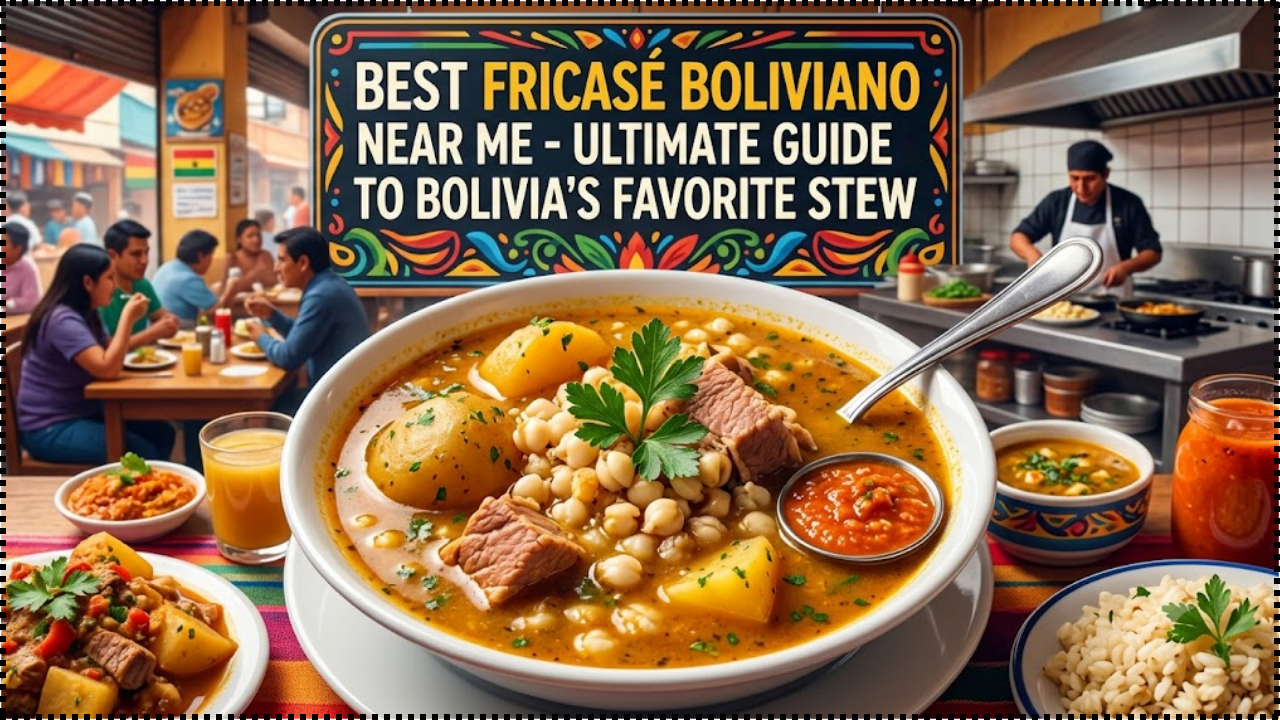
Have you ever searched for the best fricasé boliviano near me and found almost nothing helpful? You are not alone. This dish is a hidden gem. Most people outside Bolivia have never even heard of it. But once you taste it, you will understand why locals love it so much. Fricasé boliviano is a warm, spicy pork stew. It comes from the high mountain city of La Paz. People eat it early in the morning, often as a cure for a rough night. It sounds strange, but it works. In this guide, we will explore everything about this dish. You will learn its history, ingredients, and how to find the best fricasé boliviano near me wherever you live. We will also cover how to make it yourself. By the end, you will be ready to try it, cook it, or hunt it down at your nearest Bolivian restaurant.
Quick Bio Table: Fricasé Boliviano at a Glance
| Detail | Information |
|---|---|
| Dish Name | Fricasé Boliviano (Fricasé de Cerdo) |
| Origin | La Paz, Bolivia |
| Main Ingredient | Pork simmered in spicy chili broth |
| Spice Level | Medium to hot |
| Best Time to Eat | Early morning (traditional breakfast stew) |
| Common Sides | Hominy corn (mote), bread, chuño |
| Flavor Profile | Smoky, spicy, savory, slightly tangy |
| Best For | Cold mornings, hangovers, comfort food lovers |
What Is Fricasé Boliviano?
Fricasé boliviano is a traditional Bolivian stew made with pork. The pork simmers for hours in a bright red chili broth. This broth gets its color and heat from aji panca and aji amarillo peppers. These are dried Peruvian and Bolivian chilies. They are not too spicy, but they pack a deep, smoky flavor. The stew is thick, hearty, and warming. It is usually served in a bowl with extra broth on the side. Many people describe it as a cross between a soup and a stew. If you are looking for the best fricasé boliviano near me, you want a place that uses real dried chilies, not shortcuts. That is the true mark of an authentic bowl.
The History Behind Bolivia’s Favorite Stew
Fricasé boliviano has roots that go back generations. It started in the Andean highlands, where cold mornings called for hot, filling food. Pork was affordable and available. Chilies added warmth and flavor without needing many other spices. Over time, the dish became tied to La Paz culture. Street vendors began selling it before sunrise. Workers would eat a bowl before starting their day. It became known as a hangover cure too. The spicy broth and fatty pork were said to help people feel better after drinking. Today, fricasé is still tied to early mornings. Many restaurants only serve it until midday. This history matters because it shapes how the dish should taste and when you should eat it.
What Makes the Best Fricasé Boliviano Near Me Stand Out
Not every bowl of fricasé is created equal. The best fricasé boliviano near me will have a few key things. First, the broth should be deep red, not orange or pale. This shows real chilies were used. Second, the pork should be tender enough to fall apart with a spoon. Third, the broth should taste smoky and slightly tangy, not just salty. Some cooks add a splash of chicha, a fermented corn drink, for extra depth. A great bowl also comes piping hot. This dish is meant to be eaten fresh off the stove. If a restaurant serves it lukewarm, that is a warning sign. Look for places with steam rising from the bowl the moment it arrives at your table.
Key Ingredients in Authentic Fricasé Boliviano
Authentic fricasé boliviano uses a short list of real ingredients. Pork shoulder or ribs are common choices. These cuts have enough fat to stay juicy during long cooking. Aji panca and aji colorado peppers give the broth its color and mild heat. Garlic, onion, and cumin add depth. Some cooks add orange peel for a subtle citrus note. Hominy corn, called mote, is often added directly to the stew or served on the side. A few recipes include a pig’s foot for extra richness. This is optional but common in traditional versions. When you search for the best fricasé boliviano near me, ask if the kitchen uses fresh dried chilies. This one detail separates a good bowl from a great one.
How Fricasé Boliviano Is Traditionally Served
Fricasé is almost always served hot, in a deep bowl. The broth is generous, often filling half the bowl. Chunks of tender pork sit in the center. Mote, or hominy corn, is placed on top or alongside. Bread is a common side dish. People use it to soak up the spicy broth. Some restaurants also add a boiled potato or chuño, a freeze-dried potato unique to the Andes. A wedge of lime may come on the side too. This adds brightness to balance the richness of the pork. Locals often eat fricasé standing up at small street stalls. It is quick, filling, and made for busy mornings. If you find a spot serving it this way, you have likely found an authentic source.
Why Bolivians Eat Fricasé for Breakfast
This might sound unusual if you are used to sweet breakfasts. But in Bolivia, a hearty, spicy stew is normal in the morning. The cold Andean air makes warm food appealing early in the day. Workers need fuel before long shifts, and fricasé delivers protein and fat to keep them going. It is also tied to nightlife culture. After a night out, many Bolivians head straight to a fricasé stall. The spicy broth is believed to settle the stomach and clear the head. Whether or not that is scientifically true, the tradition has lasted for decades. If you want the full experience, try eating fricasé boliviano in the morning, just like locals do. It changes how the dish feels and tastes.
How to Find the Best Fricasé Boliviano Near Me
Finding this dish outside Bolivia can take some effort. Start by searching for Bolivian restaurants in your city rather than general Latin American spots. Many Peruvian or Mexican restaurants do not serve fricasé at all. Online reviews are helpful, but photos matter more. Look for pictures showing a deep red broth and visible pork chunks. Bolivian community Facebook groups are another great resource. Locals often share their favorite spots there. You can also check food truck listings, since fricasé is often sold from small stands, not sit-down restaurants. If you truly want the best fricasé boliviano near me, ask a Bolivian friend or coworker. Word of mouth is often more reliable than search engines for dishes this specific.
Tips for Choosing an Authentic Bolivian Restaurant
A few small details can tell you a lot about a restaurant. First, check if the menu includes other Bolivian dishes like salteñas or pique macho. This shows the kitchen understands Bolivian cuisine, not just one dish. Second, look at serving hours. Authentic fricasé spots often close by early afternoon, staying true to the breakfast tradition. Third, pay attention to the crowd. If you see Bolivian families eating there, that is a strong sign of authenticity. Fourth, ask staff how the broth is made. A real kitchen will happily explain the chilies and slow cooking process. Finally, trust your nose. Authentic fricasé has a smoky, spicy smell that fills the room. If the restaurant smells right, the food usually is too.
Fricasé Boliviano vs Other Bolivian Stews
Bolivia has many stews, so it helps to know the differences. Chairo is a vegetable and meat soup with a thinner broth. It often includes lamb and dried potatoes. Picante de pollo uses chicken instead of pork, with a similar spicy sauce. Silpancho is not a stew at all, but a flattened meat dish served with rice and eggs. Fricasé stands out because of its deep red pork broth and its role as a breakfast dish. Other stews are eaten throughout the day, while fricasé sticks closely to mornings. Knowing these differences helps you order correctly. If a menu lists several stews, ask specifically for fricasé to make sure you get the right one.
Can You Make Fricasé Boliviano at Home?
Yes, and it is easier than you might think. Start with pork shoulder cut into large chunks. Simmer it slowly with dried aji panca peppers, garlic, onion, and cumin. Let it cook for at least two hours, until the pork is very tender. Add hominy corn near the end of cooking. Season with salt and a touch of orange peel for brightness. Serve it hot with bread on the side. The key is patience. Rushing the simmering time will leave you with tough pork and thin flavor. Making it at home also lets you control the spice level. If you cannot find the best fricasé boliviano near me in your area, cooking it yourself is a great backup plan.
Health Benefits and Nutrition Facts
Fricasé boliviano is not a light dish, but it does offer real nutrition. Pork provides protein and important B vitamins. The chilies used in the broth contain capsaicin, which may support metabolism and circulation. Hominy corn adds fiber, helping digestion. The dish is high in fat due to the pork, so portion size matters if you are watching calories. Still, compared to many fried or processed comfort foods, fricasé uses whole, simple ingredients. There are no artificial additives in a traditional recipe. If you enjoy hearty meals in moderation, this stew can fit into a balanced diet. As with any rich dish, pairing it with vegetables or a light side helps round out the meal.
Best Side Dishes to Pair With Fricasé Boliviano
The right sides can make your fricasé experience even better. Fresh bread is the most common pairing, perfect for soaking up broth. A simple salad with tomato, onion, and lime adds freshness against the richness of the pork. Boiled potatoes or chuño are traditional and filling additions. Some people enjoy a cold local drink alongside the hot stew, creating a nice contrast in temperature. Avoid heavy, greasy sides, since the stew itself is already rich. Light, acidic flavors work best to balance the meal. If you are cooking at home, keep the sides simple. The stew should always be the star of the plate, not competing with too many other flavors.
Common Mistakes When Ordering or Cooking Fricasé
Many first-time eaters make a few common mistakes. Ordering it in the afternoon or evening often means getting a lower-quality batch, since fresh pots are usually made early. At home, rushing the cooking time is the biggest error. Pork needs long, slow heat to become tender and flavorful. Another mistake is skipping the dried chilies and using chili powder instead. This changes the flavor completely and loses the smoky depth. Some cooks also forget the acidic element, like lime or orange peel, which balances the richness. Finally, serving it lukewarm ruins the experience. This dish is meant to be eaten piping hot, straight from the pot, for the best flavor and texture.
Why This Dish Deserves More Attention
Fricasé boliviano rarely gets the spotlight compared to dishes like ceviche or tacos. But it deserves recognition for its bold flavor and cultural history. It represents comfort, community, and tradition in Bolivian culture. Every bowl tells a story of cold mornings and shared meals. As more people search for authentic international food, dishes like this one are gaining attention. Trying fricasé is a way to explore a lesser-known food culture. It also supports small, family-run restaurants that keep these traditions alive. Whether you find the best fricasé boliviano near me at a local spot or make it yourself, you are taking part in a tradition that has lasted for generations.
Frequently Asked Questions
1. What does fricasé boliviano taste like? It tastes smoky, spicy, and savory. The pork is tender, and the broth has a deep, slightly tangy flavor from dried chilies.
2. Is fricasé boliviano very spicy? It is usually medium spicy. The chilies used add flavor more than intense heat, so most people can handle it comfortably.
3. What is the best time to eat fricasé boliviano? Traditionally, it is eaten in the early morning. Many restaurants stop serving it by midday, staying true to its breakfast roots.
4. Can I make fricasé boliviano without pork? Yes, some cooks use chicken instead. The flavor changes slightly, but the chili broth still gives it a similar warm taste.
5. Where can I find the best fricasé boliviano near me? Search for Bolivian restaurants specifically, check community groups online, and ask locals for recommendations for the most authentic options.
6. How long does fricasé boliviano take to cook? Authentic recipes take at least two hours. Slow cooking makes the pork tender and allows the broth to develop full flavor.
Read More:Best Mondongo Soup Near Me Discover Authentic Traditional Flavors and Local Restaurants
Conclusion
Fricasé boliviano is more than just a stew. It is a piece of Bolivian culture served in a bowl. From its smoky red broth to its tender pork, every bite tells a story of tradition and comfort. Whether you are searching for the best fricasé boliviano near me or trying your hand at cooking it yourself, this dish is worth the effort. Do not be afraid to ask locals, check community groups, or try a recipe at home. Have you tried fricasé boliviano before? Share your experience or your favorite spot in the comments below. And if you find a great restaurant, spread the word so others can enjoy this hidden gem too.
