


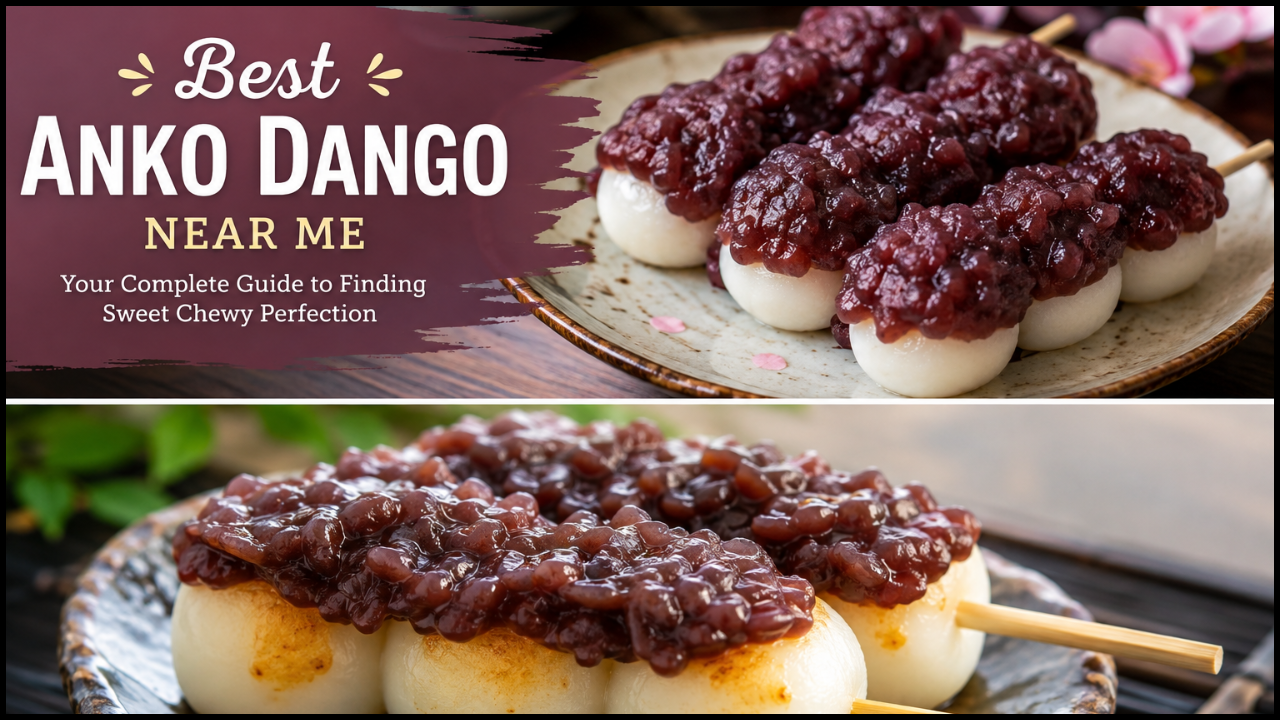
Have you ever bitten into a soft, chewy rice ball and felt instant joy? That is what anko dango does to people. If you are searching for the best anko dango near me, you are not alone. This sweet Japanese treat has fans all over the world. It looks simple. Small round balls on a stick, covered in sweet red bean paste. But the taste is anything but simple. It is warm, comforting, and a little bit magical. In this guide, we will explore everything about anko dango. We will talk about its history, its taste, and how to find the best anko dango near me wherever you live. By the end, you will know exactly what to look for and why this treat deserves a spot on your must-try list.
Quick Bio Table
| Detail | Information |
|---|---|
| Topic | Anko Dango (Japanese sweet rice dumplings with red bean paste) |
| Origin | Japan, dating back centuries |
| Main Ingredients | Rice flour (mochiko), water, sweet red bean paste (anko) |
| Texture | Soft, chewy, slightly sticky |
| Taste | Mildly sweet, nutty, earthy |
| Best Served | Fresh, at room temperature or slightly warm |
| Common Pairings | Green tea, hojicha, or barley tea |
| Where to Find It | Japanese bakeries, mochi shops, Asian grocery stores, specialty cafes |
| Read Time | About 11 minutes |
| Skill Level to Make at Home | Beginner to intermediate |
What Is Anko Dango?
Anko dango is a traditional Japanese sweet. It is made from rice flour dough shaped into small balls. These balls are usually skewered on a stick, three to five at a time. Then they are topped or coated with anko, which is sweet red bean paste. The dough itself is soft and chewy. It does not have a strong flavor on its own. This is actually a good thing. It lets the anko shine through. The red bean paste is made from adzuki beans, sugar, and sometimes a pinch of salt. Together, the chewy rice ball and the sweet paste create a perfect bite. People often searching for the best anko dango near me are looking for that exact balance of texture and flavor.
The History Behind This Beloved Treat
Dango has a long history in Japan. It dates back over a thousand years. Early versions were simple rice cakes eaten as offerings or snacks. Over time, different regions added their own twist. Some added soy sauce and sugar for a savory-sweet glaze. Others, like anko dango, focused on sweet bean paste. Tea houses in old Japan often served dango alongside green tea. This pairing became a tradition. Today, that tradition lives on in bakeries and shops around the globe. Knowing this history helps you appreciate why finding the best anko dango near me feels like tasting a small piece of Japanese culture, not just grabbing a snack.
Why Anko Dango Is So Popular Today
Anko dango has grown popular outside Japan too. Social media plays a big role in this. Videos of colorful dango skewers get shared often. People love how cute and photogenic they look. But looks are not the only reason. The taste and texture keep people coming back. It is gluten-free, since it uses rice flour instead of wheat. This makes it a great option for people with gluten sensitivities. It is also not overly sweet, unlike many Western desserts. This balance appeals to people who want a treat without feeling too full or too sugared up afterward. That is a big part of why searches for the best anko dango near me keep rising.
What Makes Anko Dango Different from Mochi
Many people confuse dango with mochi. They do look similar at first glance. But there are real differences. Mochi is made from glutinous rice that is pounded into a sticky paste. Dango is made from rice flour mixed with water, then shaped and boiled or steamed. The texture of dango is often firmer and less sticky than mochi. Mochi can be filled with anko inside, while dango is usually topped or dipped in it. Both are delicious, but they offer different eating experiences. When you look for the best anko dango near me, make sure the shop actually serves dango and not just mochi with a similar name.
Key Signs of Fresh, High-Quality Anko Dango
Freshness matters a lot with this treat. Old dango can turn hard and lose its chewy texture. Here is what to check for quality:
- The dough should feel soft, not stiff or dry.
- The anko paste should look glossy, not dull or crusty.
- The color should be a rich reddish-brown, not pale or grayish.
- The dango balls should hold their shape without crumbling.
- There should be a light, sweet smell, never sour or stale.
If a shop lets you sample before buying, always take that chance. Trust your senses. A place known for the best anko dango near me will proudly show off fresh batches made that same day.
How to Search for the Best Anko Dango Near Me
Finding great dango takes a little effort, but it pays off. Start by searching online for Japanese bakeries or mochi shops in your area. Words like “wagashi shop” or “Japanese sweets” can also help your search. Check online reviews carefully. Look for comments about freshness and taste, not just presentation. Asian grocery stores sometimes carry pre-packaged dango too, though fresh is always better. Local Japanese festivals or cultural events often have vendors selling dango. These pop-up stalls can be hidden gems. Do not be afraid to ask staff questions about how often they make batches. A shop confident in its product will answer happily, helping you find the best anko dango near me with less guesswork.
Popular Places That Often Serve Great Anko Dango
While exact shops vary by city, certain types of places tend to serve quality dango. Japanese-owned bakeries are usually a safe bet. Specialty tea houses that focus on Japanese culture often serve dango alongside matcha. Asian dessert cafes, especially those that specialize in wagashi, are another strong option. Farmers markets in cities with larger Japanese communities sometimes feature small vendors. Food halls inside Japanese supermarkets, like certain chains found in bigger cities, often have fresh dango counters. When exploring these options, checking photos from recent customers can help confirm quality before you visit, making your hunt for the best anko dango near me much smoother.
How Anko Dango Is Traditionally Made
Making anko dango starts with rice flour, often a mix of two types for the right texture. Water is slowly added to form a smooth dough. The dough is rolled into small balls, usually about the size of a marble. These balls are boiled in water until they float, which shows they are cooked. Then they are cooled quickly in cold water. This step keeps them chewy instead of mushy. Next, the anko paste is prepared separately, often by simmering adzuki beans with sugar for hours. Finally, the cooled dango balls are skewered and coated or served alongside the sweet paste. This process, though simple, requires patience and care.
Can You Make Anko Dango at Home?
Yes, you absolutely can make anko dango at home. It is a fun project, even for beginners. You will need mochiko or shiratamako, which are types of rice flour found at Asian grocery stores. Store-bought anko paste works well if you want to save time. Making the dough only takes a few steps: mix, shape, boil, and cool. The trickiest part is getting the dough texture right, not too dry and not too sticky. Many home cooks find that practice helps a lot. Making it yourself also lets you control sweetness levels. This can be a great alternative if searching for the best anko dango near me does not turn up great local options.
Health Benefits and Nutritional Notes
Anko dango offers a few nice nutritional points compared to many other sweets. It is naturally gluten-free, making it friendly for people avoiding wheat. The red bean paste has fiber and plant protein from the adzuki beans. It also tends to be lower in fat than many Western desserts, since there is no butter or cream involved. That said, it still contains sugar, so moderation matters. It works well as an occasional treat rather than an everyday food. Pairing it with unsweetened green tea can help balance the sweetness of the meal. Always check labels if buying packaged versions, since sugar content can vary between brands and shops.
Best Ways to Enjoy Anko Dango
There are several lovely ways to enjoy this treat. The most traditional way is simply eating it plain, letting the anko and dough flavors shine. Pairing it with hot green tea is a classic combination in Japan. Some people enjoy it slightly warmed, which softens the texture even more. Others prefer it chilled on a hot day for a refreshing snack. You can also serve it during tea ceremonies or casual gatherings as a light dessert. Some modern shops even offer fun toppings like kinako, which is roasted soybean flour, for extra flavor. However you enjoy it, the best anko dango near me should always taste fresh and balanced.
Seasonal and Regional Variations Worth Trying
Japan has many regional dango styles worth knowing about. Some areas serve dango with a soy glaze instead of anko, called mitarashi dango. Others might use different bean pastes, like white bean instead of red. Seasonal variations also exist, with some shops offering sakura-flavored dango in spring using cherry blossom extracts. Autumn versions sometimes include chestnut paste for a nuttier taste. If your local search for the best anko dango near me leads to a shop offering seasonal options, it is worth trying them. These variations show how flexible and creative this simple treat can be across different times and places.
Tips for First-Time Tasters
If this is your first time trying anko dango, here are a few tips. Start with a small portion to see if you enjoy the texture, since chewy rice desserts are different from Western sweets. Try it without any extra toppings first to taste the base flavors. Pair it with plain green tea, which helps balance the sweetness. Ask the shop if their dango is fresh from today, not from several days ago. Do not judge the whole category based on one bad experience, since quality varies a lot between shops. Once you find a shop serving the best anko dango near me, stick with it and explore their other wagashi treats too.
Storing and Reheating Anko Dango Properly
Proper storage keeps your dango tasting great longer. Fresh dango is best eaten the same day it is made. If you need to store it, wrap it tightly in plastic wrap to prevent drying out. Keep it at room temperature for up to one day, or refrigerate for up to three days. Refrigeration can make the dough firmer, so gently steaming it for a minute or two before eating helps restore softness. Avoid microwaving for too long, as this can make the texture rubbery. Never freeze dango with fresh anko paste already on it, since the paste can separate and become watery once thawed.
Frequently Asked Questions
1. What does anko dango taste like? Anko dango tastes mildly sweet with a soft, chewy texture. The rice ball itself is neutral, while the red bean paste adds a rich, slightly nutty sweetness.
2. Is anko dango gluten-free? Yes, traditional anko dango is made from rice flour, not wheat flour. This makes it a naturally gluten-free treat for most people.
3. How can I find the best anko dango near me? Search for Japanese bakeries, wagashi shops, or tea houses in your area. Reading recent reviews and checking photos can help you spot fresh, high-quality options.
4. Can anko dango be eaten cold? Yes, many people enjoy anko dango chilled, especially in warmer weather. It offers a refreshing texture while still keeping its chewy bite.
5. How long does anko dango stay fresh? It is best eaten the same day. If stored properly in the fridge, it can last up to three days, though texture may change slightly.
6. Is anko dango the same as mochi? No, they are different. Dango is made from rice flour and boiled, while mochi is made from pounded glutinous rice and has a stickier texture.
Conclusion
Anko dango is more than just a sweet snack. It carries centuries of tradition in every chewy bite. Whether you are new to Japanese desserts or already a fan, finding the best anko dango near me can turn into a fun little adventure. Look for freshness, ask questions, and do not be afraid to try different shops until you find your favorite. Once you do, you will understand why this humble treat has won hearts for generations. So go ahead, start your search today, and treat yourself to a taste of tradition. Your next favorite dessert might be just around the corner.
